Stellantis x Mistral, California AI Safety Law, UHealth AI Hub, MIT Generative AI Climate Impact, Anthropic $1.5B
Hello!
It was nice to see some of you in Seattle when I keynoted at Sitecore’s DX event. This week’s we see two big legal moves in the US and one climate warning every operator should have on the radar. From automotive to healthcare to sustainability, here are five stories worth a quick skim with takeaways you can apply right away.
Stellantis Expands Its AI Partnership with Mistral AI
What happened:
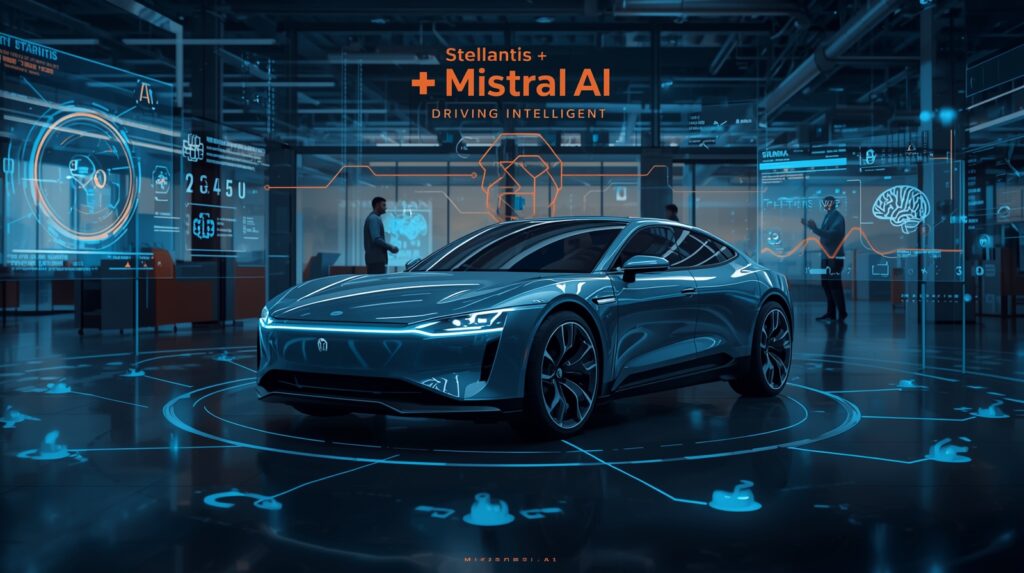
Stellantis has deepened its collaboration with Mistral AI to roll out artificial intelligence across production, sales, and aftersales. “The platforms, dubbed Innovation Lab and Transformation Academy, will focus on AI integration respectively in sales and aftersales, and in development of solutions for core production across Stellantis.” Stellantis is a constellation of 14 iconic automotive brands and two mobility arms that are about more than transportation: they’re about moving people and making connections.
Why it matters:
This is the classic enterprise approach: blend outside AI expertise with upskilling so projects don’t stall after pilots. Look out for real benefits like faster demand forecasting, tighter quality control, and smarter service.
My take:
How to think about mimicking this:
- Partner up externally for speed
- Build an internal academy for wide adoption (we can help you with this;)
- Set up a steady stream of P&L-linked use cases (think inventory turns, warranty spend, customer satisfaction)
Treat AI as a company-wide transformation-not just another tool.
Read more on Stellantis and Mistral AI.
California Enacts AI Safety Law (SB 53)
What happened:
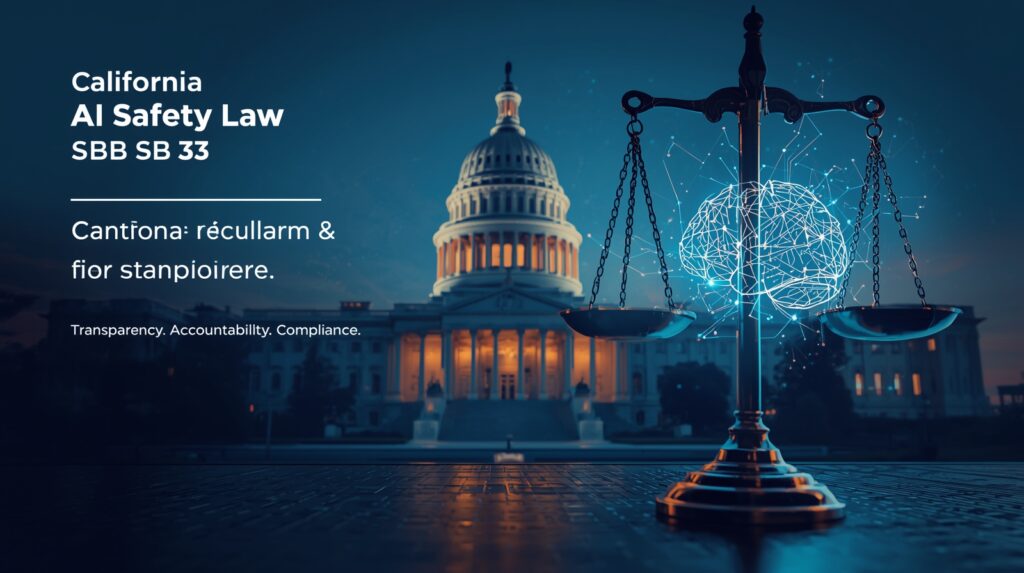
Governor Gavin Newsom signed SB 53, which requires major AI developers to publicly disclose their plans to reduce catastrophic risks from advanced models. Penalties can reach up to $1 million per violation.
Why it matters:
Even if you’re not developing foundation models, the rules of the game are changing. Expect stricter procurement: RFPs and security reviews will start asking for AI risk documentation and process transparency.
My take:
Shift towards compliance-by-design: update your AI Use Policy, document red-team findings, and bake incident playbooks into your ops. Selling to California-based customers? This could set you apart.
Read more on the California law.
$1.5B Anthropic Copyright Case: Settlement Moves Forward
What happened:
A federal judge has given preliminary approval to a $1.5 billion settlement between Anthropic and authors/publishers. The case centers on using books (without permission) to train generative AI, setting a new precedent.
Why it matters:
Licensing and data provenance can’t be ignored anymore. If your product, support, or marketing content relies on gen AI tools trained on third-party materials, make sure you’ve got documentation or use licensed providers.
My take:
Plan for content licensing like you do for software. Ask your vendors about their dataset sources and what protections they offer. Expect the ripple effect in contracts and vendor questionnaires. We’ve seen it already!
US judge preliminarily approves $1.5 billion Anthropic copyright settlement
UHealth Launches an AI-First Medical Center in North Miami-Dade
What happened:
UHealth just opened its SoLé Mia medical center, loaded with AI-powered tools to boost care delivery and operations. This is part of a bigger move to modernize their ambulatory care. “AI permeates every aspect of a patient and doctor experience here, from the scheduling to the insurance verification. Even before a patient walks in the door, there’s the use of AI to be sure that we’re the most efficient in giving the best service possible,” said Dr. Roy Weiss, chief medical officer for ambulatory services at the University of Miami Health System.
Why it matters:
Hospitals are moving out of AI pilot mode and into full operations triage, imaging, throughput, and patient access are all getting an AI boost. Vendors, pay attention: integration with day-to-day workflows and rock-solid compliance are what buyers want now.

My take:
ROI for health systems is shifting toward capacity and access, shorter waits, fewer re-admits. Connect your AI value to those numbers, and make sure it plugs smoothly into EHRs.
Read more about the UHealth expansion.
🌍 Responding to the Climate Impact of Generative AI
What happened:
AI data centers are poised to ramp up global greenhouse gas emissions, and MIT researchers are ringing the bell. They’re studying everything from smarter algorithms to redesigned data centers to keep the impact in check.
Why it matters:
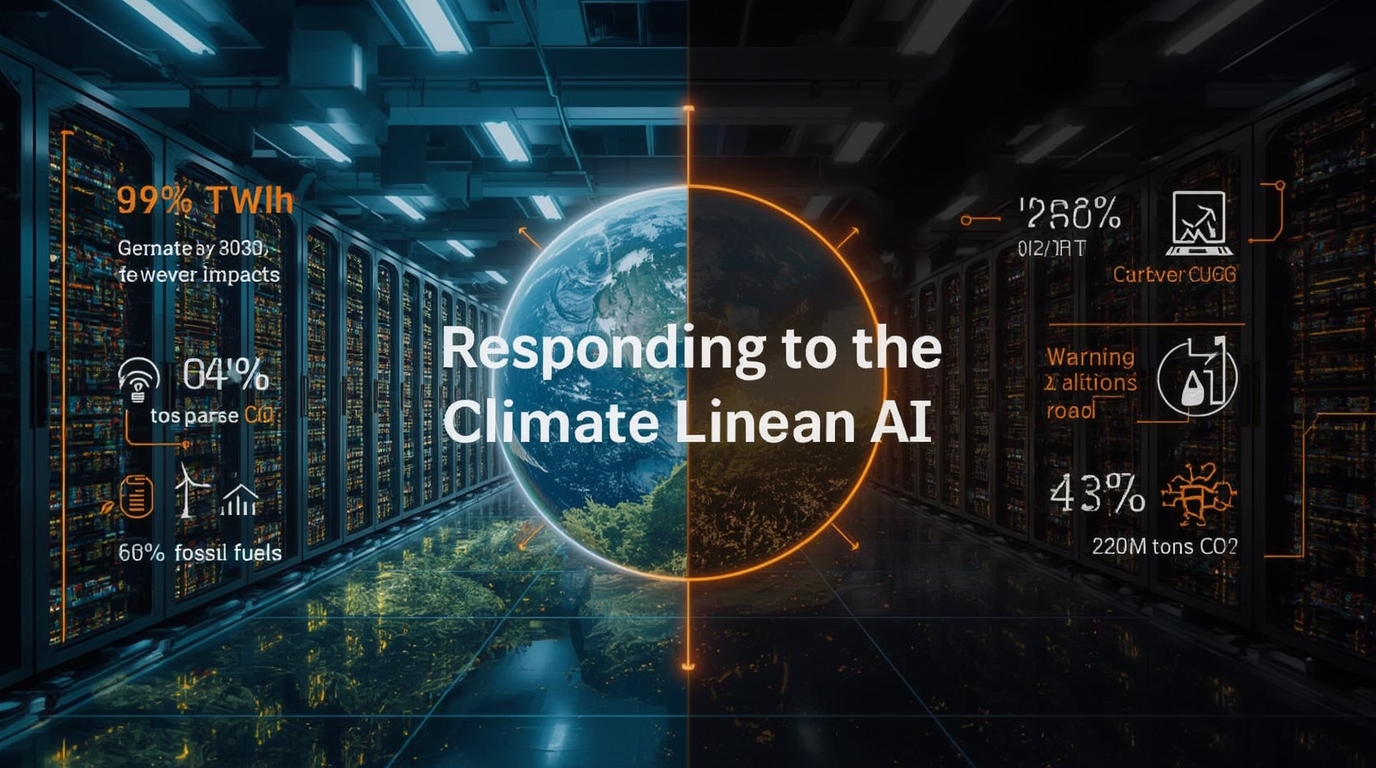
By 2030, data centers could use more than 945 terawatt-hours of electricity-more than Japan consumes-with about 60% coming from fossil fuels. That’s an extra 220 million tons of carbon every year.
My take:
AI brings huge hidden environmental costs. Savvy teams should:
- Push vendors for transparent efficiency data and sustainability plans.
- Weigh both “operational carbon” (the power to run GPUs) and “embodied carbon” (building and retrofitting data centers).
- Track emerging ideas like “negaflops”-algorithm advances that trim unnecessary computations.
Bottom line: Sustainability will soon matter just as much as security in AI contracts and RFPs. Optimizing for carbon reduction isn’t just good for the planet-it’ll also give you a competitive edge.
Learn more about AI’s climate impact
Applied AI: Start TODAY!
What You’ll Learn in Our Level 1 Course
Our Applied AI Level 1 Certification keeps things hands-on and goal-driven-no buzzwords or dry slideshows.
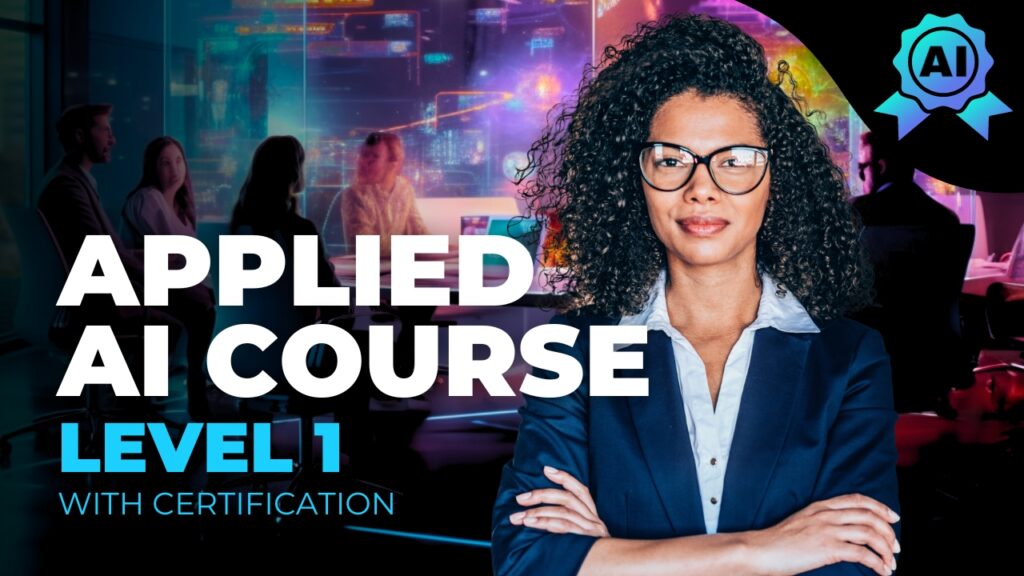
Here are some highlights from recent sessions:
Module 9: Generative AI Video Basics
Stop burning budgets on pro video production. We’ll show you how to create polished, professional videos using straightforward AI tools-perfect for demos, trainings, or social feeds.
Module 10: Workflow Application
This is where it all comes together. Learn to match the right AI tools to your specific business and fold them seamlessly into your day-to-day. That means no more guesswork-just real, measurable results.
What Our Students Are Saying
“Highly recommend signing your team up for the Applied AI course. It allows you to learn, connect, and get your hands dirty playing with AI tools and learning about what’s new and upcoming!”
– Mackenzie T, SaveaLife.org
👉 Claim Your Spot Enrollment Still Open
Class starts today! Don’t let Q4 roll by without getting on your AI!
Tools to Try This Week
- Pictory.ai – Quickly turn scripts or posts into polished videos. Great for repurposing across channels.
- Leonardo.ai – Free image and video generator.
- Gamma – Instantly create presentations, documents, or websites.
🟡 Spotlight: Nano Banana Lands on HeyGen 🚀
Imagine changing an image’s outfit, background, or pose with a single prompt and then turning it into a talking AI video using HeyGen.
Here’s the workflow creators are buzzing about 👇
Step 1: Edit your photo in Google’s AI Studio
Choose the Nano Banana model (Gemini’s native image editor) and type what you want to change, no brushes, no layers.
✨ Example prompts:
- “Change her hat color from green to red.”
- “Move the scene to New York City.”
- “Add a man having a picnic with her in Central Park.”
Nano Banana preserves character details incredibly well — face, outfit, shadows — while letting you reimagine the setting or props. It’s perfect for precise edits, product shots, or swapping environments.
Step 2: Bring your photo to life in HeyGen
Once you’ve got your perfect shot, open HeyGen and use Photo to Video with Avatar 4.
Upload your Nano Banana image, add your script or audio, choose a voice, and let the AI handle the lip-sync and motion.
You can even:
- Add gestures like waving or peace signs (still in beta 🧪)
- Adjust export quality for more realistic animation
- Edit and re-generate videos instantly without re-uploading everything
The result? A photorealistic talking avatar that moves naturally, lip-syncs perfectly, and feels cinematic.
💡 Pro tip:
Use Nano Banana for fine-tuned visual edits (color, outfit, product placement) and Flux for building entirely new scenes from scratch. Together, they’re redefining how creators build visual stories — from still image → full AI-generated video.
🎬 Getting the perfect shot has never been easier.
Got questions about in-house AI training, or which tools to use? Just hit reply and let me know what’s on your mind. I’ll keep surfacing the most practical AI opportunities each week.
Take care,
-Nicole Donnelly
Founder, AI Smart Ventures